Success Story
The Success Story of Mamata Devi: A Rural Woman's Rise to Entrepreneurship
Mamata Devi, a resident of a small village Banal in Hamirpur district of Himachal Pradesh, India, belonged to a traditional farming family. Like many women in her village, she was expected to manage household chores and support her family in agricultural work. However, the income from farming was barely enough to meet the basic needs of her family, leaving no room for education or healthcare expenses.
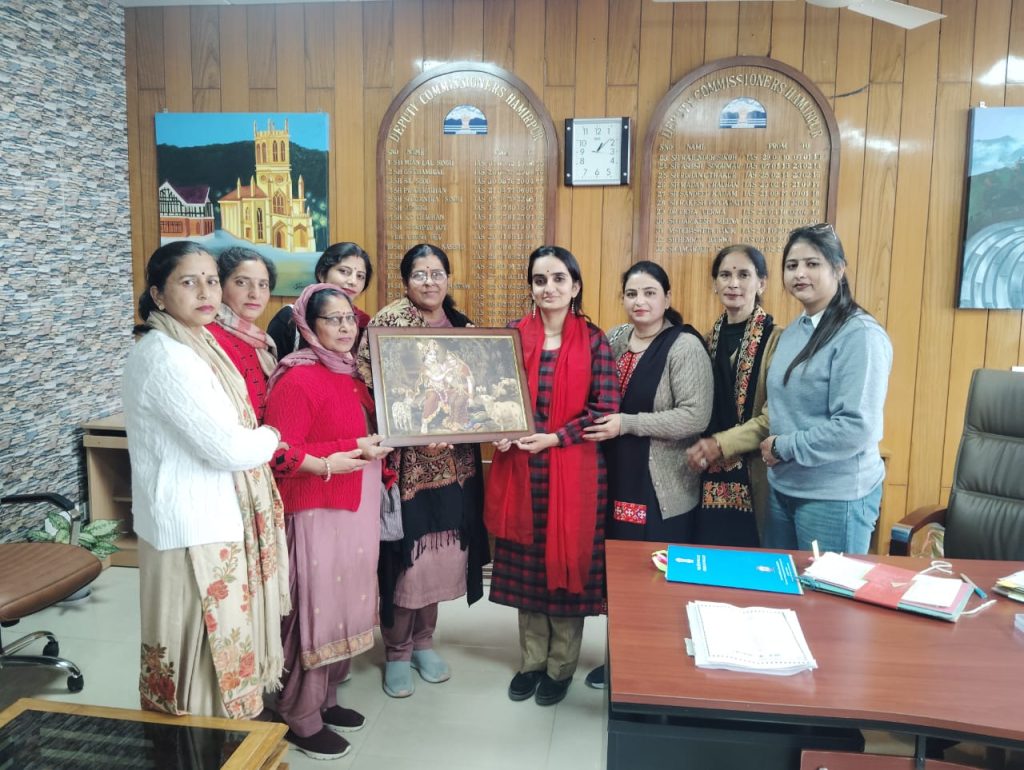
Himalayan Chetna NGO 🌿, Mrs. Rajneesh Thakur, visit to the Deputy Commissioner, Hamirpur, at the DC Office, Hamirpur.
The Chairperson of 🌿 Himalayan Chetna NGO 🌿, Mrs. Rajneesh Thakur, visit to the Deputy Commissioner, Hamirpur, at the DC Office, Hamirpur.
During the meeting, discussions were held regarding the NGO’s initiatives in free education for underprivileged children, competitive exam coaching, scholarships, women empowerment, skill development, and rural upliftment.
The Deputy Commissioner appreciated the NGO’s dedicated efforts toward social and educational development and assured continued administrative support and coordination for future initiatives.
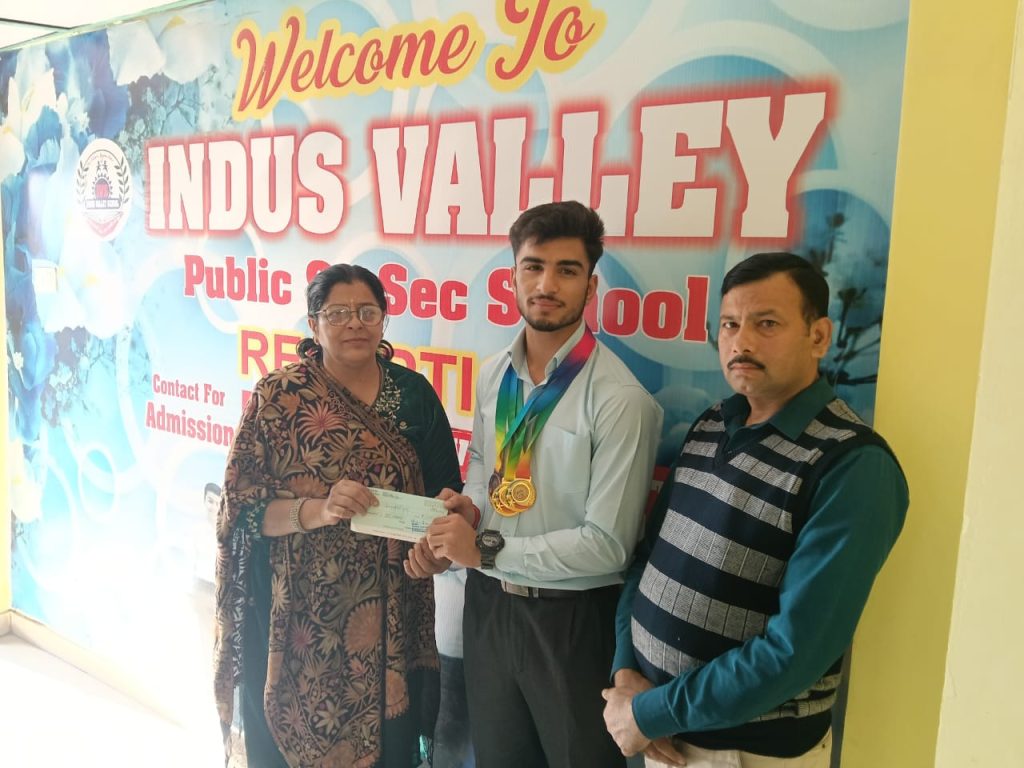
Indus Valley School (Sponsored by Himalayan Chetna NGO) Students Success
हिमालयन चेतना एनजीओ द्वारा प्रायोजित इंडस वैली स्कूल क्षेत्र के बच्चों को खेले इंडिया अभियान से जोड़ने के लिए निरंतर और समर्पित रूप से कार्य कर रहा है। हमारा उद्देश्य है कि प्रत्येक बच्चा खेलों के महत्व को समझे और अपनी प्रतिभा को सही दिशा में विकसित कर सके।
स्कूल में नियमित खेल अभ्यास, उचित प्रशिक्षण, खेल सामग्री की उपलब्धता, अनुभवी प्रशिक्षकों का सहयोग और बच्चों की प्रतिभा की पहचान के लिए विशेष सत्र आयोजित किए जा रहे हैं।
हिमालयन चेतना एनजीओ यह सुनिश्चित कर रहा है कि ग्रामीण व साधारण परिवारों के बच्चे भी राष्ट्रीय स्तर के अवसरों तक पहुँच सकें। इस पहल से न केवल बच्चों में आत्मविश्वास, टीमवर्क और अनुशासन विकसित हो रहा है, बल्कि उनके लिए खेल जगत में उज्ज्वल भविष्य के नए द्वार भी खुल रहे हैं।
हमारा लक्ष्य है— ‘हर बच्चे तक खेल, और हर गाँव से एक चैंपियन’, ताकि खेल बच्चों के जीवन में स्वास्थ्य, ऊर्जा और सफलता का एक सशक्त माध्यम बन सके।
The Turning Point
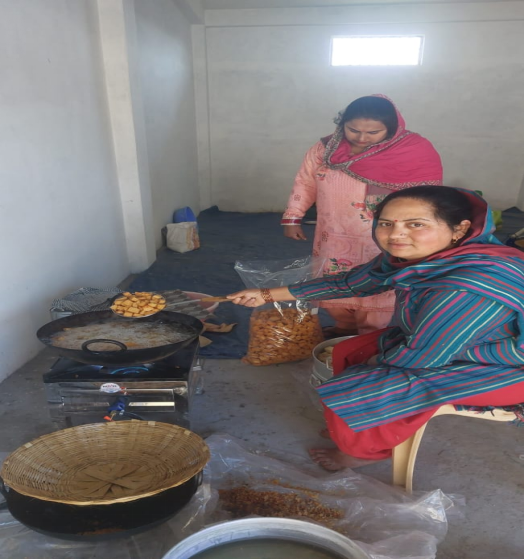
Mamata expanded her business by using method of packing or branding as with subsequent loans from the SHG. She also invested in learning more about this industry, including adding other products processing techniques and how to ensure high-quality products. To reach a larger market, she partnered in the festivals or melas organised not only in her district but also in nearby districts that helped her sell her products in nearby towns at better prices.
As her income grew, Mamata diversified her business by investing in a small organic food producing items, leveraging her knowledge of sustainable agriculture practices taught by the NGO. She began supplying fresh food items to local markets, gaining a reputation for quality produce
Challenges and Overcoming Them
One of the major challenges Mamata faced faced was the lack of infrastructure, such as high interest of loan as she gained under JLG, transport facilities. To overcome this, she collaborated with other women in her SHG to reduce burden. They also organized a transport system to ensure timely delivery of their products to the market.
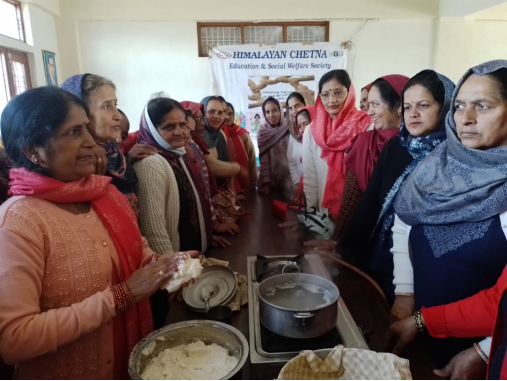
Mamata’s life took a turn when a local NGO HIMALYAN CHETNA introduced a self-help group (SHG) and training of food processing under MEDP with the assistance of NABARD in her village, aiming to empower women through financial literacy and skill development. She joined the SHG, where she learned about micro-financing, business skills. The SHG provided small loans to its members under JLG to start or expand their businesses.
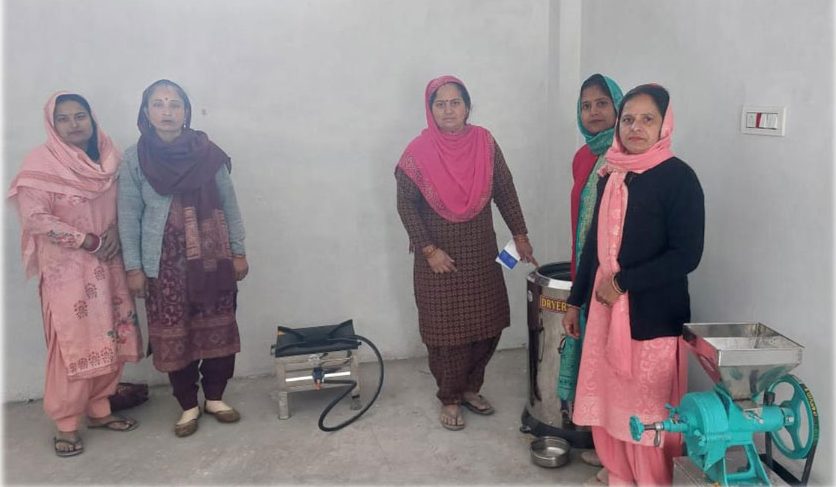
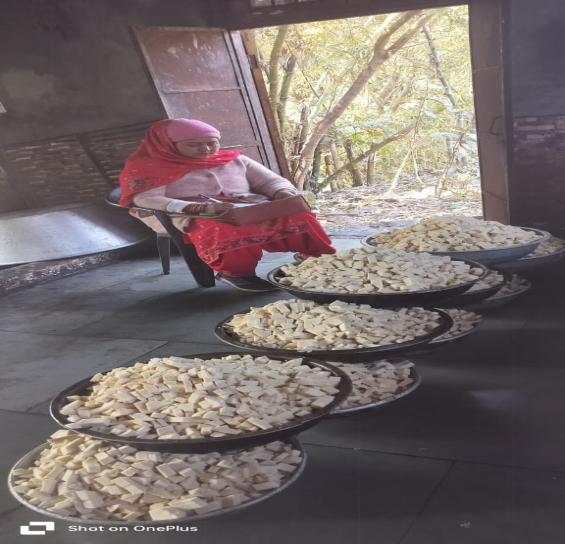
Inspired by the training, Mamata decided to start a small papad, badiyan business. She used her first loan to purchase a machine dryer gas cylinder and other required material, which she carefully tended to with the knowledge she gained from the NGO’s training on experts. Initially, she sold her product locally, but her determination to succeed pushed her to explore better opportunities.
Building the Business
Another challenge was breaking the social barriers in her village, where women were not typically involved in business. Mamata’s success, however, slowly changed perceptions, and she became a role model for other women in her community.
Success and Impact
Today, Mamata Devi is a successful entrepreneur, running a thriving food processing business and providing employment to local youths or women at least per head fifteen thousand. Her family’s standard of living has improved significantly, and she is now able to afford quality education for her children and better healthcare for her family. Mamata’s success has inspired many women in her village to take up entrepreneurship. She actively mentor others, helping them start their own small businesses. Her efforts have contributed to the economic empowerment of her village, with more women participating in income-generating activities.
Legacy
Mamata’s journey from a struggling housewife to a successful entrepreneur is a testament to the potential of rural women when given the right opportunities and support. Her story highlights the importance of community-based initiatives, such as self-help groups and NGO, Himalayan Chetna and NABARD’ efforts are empowering women in rural areas to become self-reliant and contribute to the overall development of their communities. Mamata Devi’s success story is an inspiration to many, showing that with determination, skill development, and community support, rural women can overcome challenges and achieve remarkable success as entrepreneurs.
Empowering Change: The Success Story of Green Leaf Dona Pattal Production in Ghanal Village
In the small village of Ghanal, Hamirpur, Himachal Pradesh, a remarkable transformation has taken root, driven by a group of determined women: Sangeeta, Seema, Kanchan, Ritu, Nisha, and Sudarshan. With the support of Himalayan Chetna NGO and NABARD, these women embarked on a journey to create a sustainable livelihood through the production of eco-friendly Dona Pattal, traditional leaf plates made from green leaves.
At first, these women faced numerous challenges, from logistical issues to societal expectations. However, through the LEDP training program, they gained not only the technical skills but also the confidence needed to turn this opportunity into a successful enterprise. With hands-on training in sourcing raw materials, organic binding, and machine operation, each of them developed a deep understanding of the production process.
Following their training, they formed a Joint Liability Group (JLG) called “Green Leaf, Green Dona Pattal Syunkt Deeta Smuh” and successfully secured loans to purchase their own machines. Today, they are producing and selling Dona Pattal, creating a ripple effect in their community by providing additional employment to local bamboo craftsmen for packaging and involving others in the production process.
Through this venture, these women are not only improving their own economic conditions but also contributing positively to their village by offering a sustainable alternative to plastic. Their story is one of empowerment and resilience—a testament to how, with the right support and training, rural women can become successful entrepreneurs and role models in their communities. Their goal now is to expand their reach, replacing plastic products with their eco-friendly alternatives and inspiring other women to follow in their footsteps.